Sona for speech therapists
Send home practice they’ll play.
Auto-plan home practice, share the app with clients, and see who practiced at home.
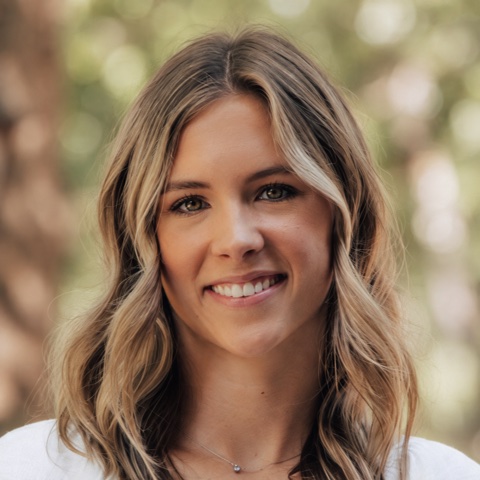
Built with Rachel, MS, CF-SLP, a pediatric speech-language pathologist in her clinical fellowship.
What you can do with Sona.
-
Plan tomorrow’s sessions
List who you’re seeing and get play-based activity ideas for each session, ready to edit.
-
Create AI homework
Draft a take-home practice note with AI. You choose the targets and review the draft.
-
Share the app with clients
Send a family link so parents can set up Sona on their own device.
-
Join the community
Swap ideas, ask questions, and share what works with other speech therapists.
A game to play. A story to read.
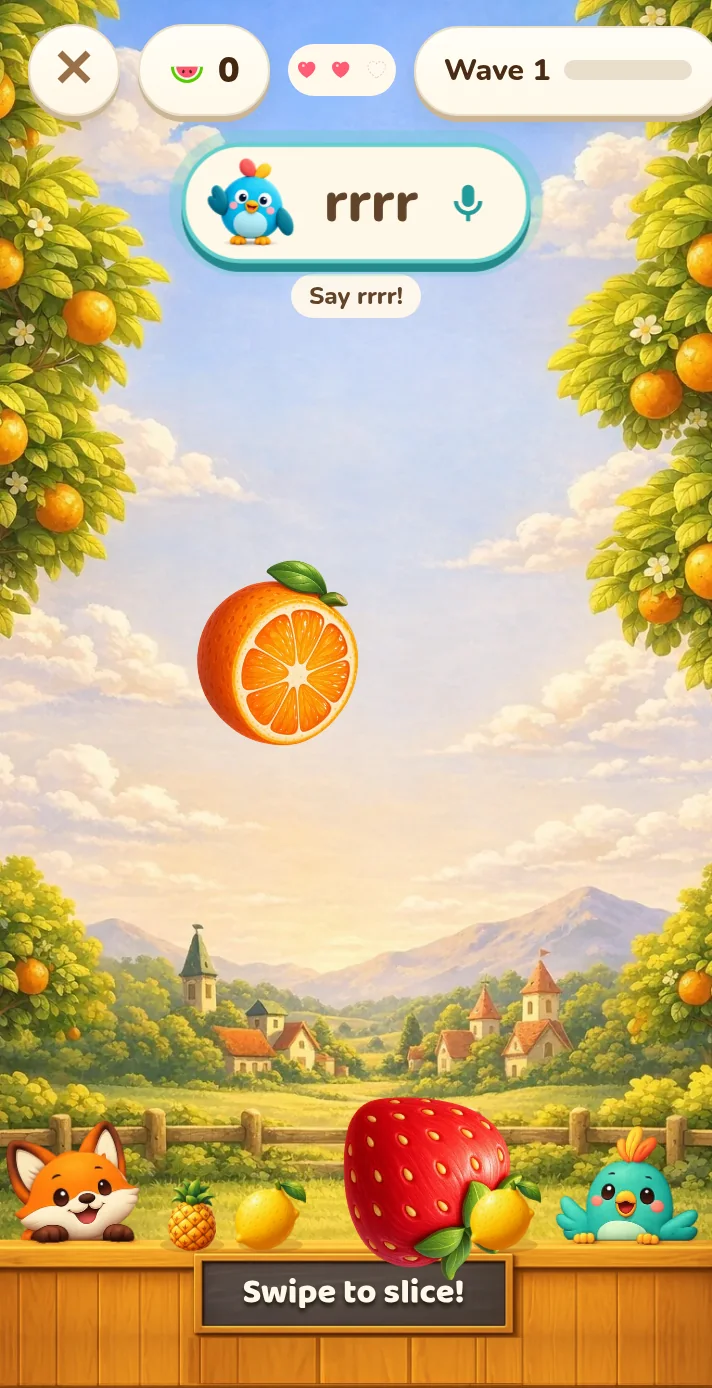
Kids can play games, read sound-focused picture books and earn coins for new buddies. Families who join through your link get daily practice and free games.

Good to know before you start.
Sona is practice that listens. It supports speech therapy; it doesn't diagnose, evaluate or set goals.
The check asks whether a sound has the acoustic shape of the target. That's narrower than your ear. Treat pass rate as a rough signal, not a score.
Dialectal or bilingual speech, like AAVE or Spanish-influenced English, may be marked as misses. A speech therapist's judgment comes first.
Sona holds a sound back until a child is typically old enough for it: vocalic R, for example, isn't expected until about age 7. An SLP assigns what each child is ready for.
Your questions, answered.
Every check runs on the child's phone. No cloud scorer, no third-party listener, and the app never sends a child's voice anywhere.
More questions? privacy@speaksona.com · Full privacy policy
No. Every check happens on the child's own phone, in the moment, and the app never saves or sends a child's voice.
The parent, on their own device, after consenting. If you add a child ahead of time you type initials or a nickname, and Sona discards that once the family joins. You never send Sona a student's name.
If you start from this page: your email, kept by Sona and on our email list at Resend so Rachel's tips can reach you, and in our contact list at GoHighLevel. Your account: email, name, clinic and code. For each consenting family: the child's first name and age, target sounds, practice days and counts, pass rate per sound, your assignments, and when the parent consented. Hosted on Vercel, stored in Upstash, the email list via Resend, emails and contacts in GoHighLevel. If you type a parent's email when you add a child, we hand it to GoHighLevel to deliver that one email with the link, and GoHighLevel keeps it as a contact. Sona's own server keeps no copy: not stored, not logged. Analytics (PostHog) on grown-up pages, and anonymous counts our server passes on from the app, and a Meta ad pixel on this sign-up page so we can tell which of our ads work — neither ever runs where a child practices, and neither is sent a child's name. No ads in the app, no data sales, no profiling.
Two ways, immediately: the parent taps "stop sharing", or you remove the child from your caseload. Otherwise it ages out about 150 days after your caseload's last practice. Unopened invites delete themselves after 30 days.
Ask us and we'll answer in writing, ideally before you share the link. Families share data with us directly after consenting on their own phone, rather than the clinic sharing it for them. If we confirm a breach, we notify affected clinicians and parents within 72 hours.